The most common question travelers ask is: "When can I actually see Mount Fuji?" The mountain is famously "shy," often hiding behind a veil of clouds even on seemingly clear days.
While Lake Kawaguchiko is beautiful year-round, your experience will change dramatically depending on the month. From the pink cherry blossoms of April to the crystal-clear winter mornings of January, here is what to expect in 2026.
Mt. Fuji Visibility by Month
Based on historical patterns, winter offers the highest probability of a clear view.
| Season | Months | Visibility Likelihood | Key Highlights |
|---|---|---|---|
| Winter | Dec – Feb | Very High (70-80%) | Snow-capped Fuji, Winter Fireworks |
| Spring | Mar – May | Medium (40-50%) | Cherry Blossoms, Pink Moss (Shibazakura) |
| Summer | Jun – Aug | Low (20-30%) | Lavender, Climbing Season, Humidity |
| Autumn | Sep – Nov | High (50-60%) | Autumn Leaves, Maple Corridor |
Spring: The Iconic View (April)
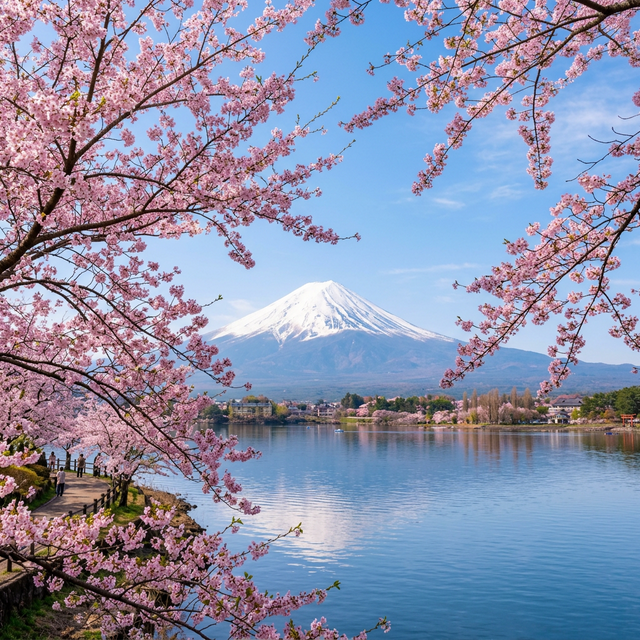
Late March to mid-April is the busiest time in Kawaguchiko. The Fuji-Kawaguchiko Cherry Blossom Festival takes place along the northern shore.
- Peak Bloom: Usually April 5th – 15th.
- Tip: Head to the area near the Kawaguchiko Music Forest for the best "sakura + Fuji" shots.
Autumn: The Fiery Corridor (November)
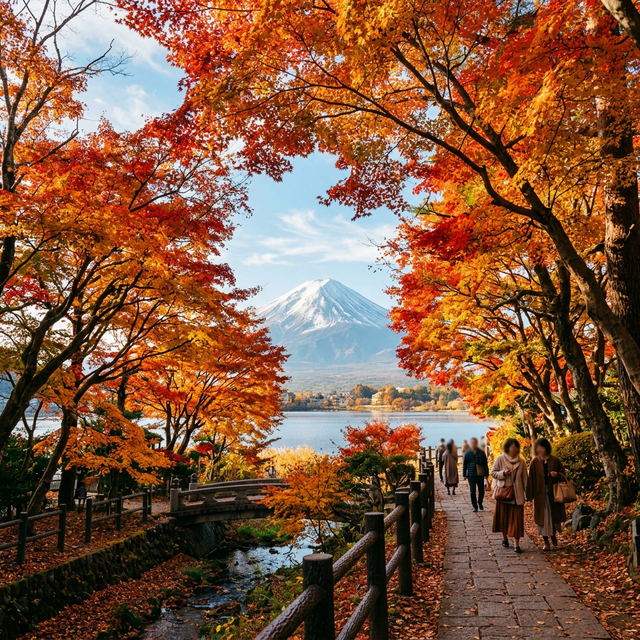
In November, the area turns bright red and gold. The Maple Corridor (Momiji Kairi) is illuminated at night, creating a magical atmosphere.
- Best Timing: November 10th – 25th.
- Atmosphere: Expect crowds, but the combination of autumn leaves and a potentially snow-capped Fuji is breathtaking.
Winter: The Photographer's Secret (January)
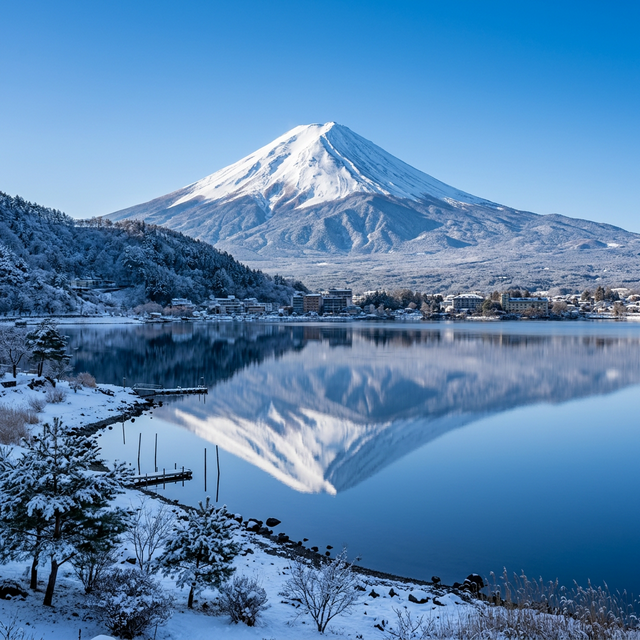
If your primary goal is to see Mount Fuji, visit in January. The air is crisp and dry, providing the best clarity. Plus, the Winter Fireworks display happens on weekend nights in January and February.
💡 Pro Tip: The 9 AM Rule
Regardless of the season, early morning is always your best bet. Clouds typically begin to form around the summit by late morning. Set your alarm for 6:00 AM or 7:00 AM for the highest chance of a clear reflection on the lake.
Planning Your Visit?
See which tours run this season and compare your options.
See the 1-Day Itinerary